Guide to Psychedelic Integration Therapy in Washington DC
Psychedelic Integration Therapy Guide in Washington DC
Complete Guide to Psychedelic Integration Therapy in Washington DC

Professional support for processing psychedelic experiences, trauma recovery, and evidence-based healing. Services include integration for ketamine assisted therapy, mdma-assisted therapy for ptsd, and psilocybin therapy for depression, delivered within ethical and legal guidelines in Washington DC.
Confidentiality Notice:
This website provides educational information only and does not establish a therapist-client relationship. For confidential consultation, please use our Confidential Inquiry page or contact District Counseling and Psychotherapy directly at 202-641-5335.
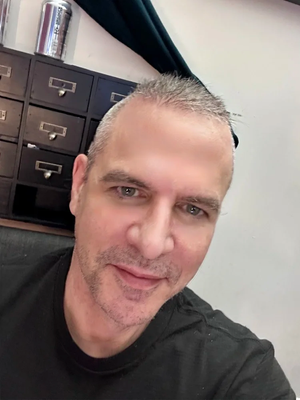
Joseph LaFleur — Certified Psychedelic Assisted Therapy Provider
Joseph LaFleur brings specialized expertise to psychedelic integration therapy at District Counseling and Psychotherapy in Washington DC. As a Certified Psychedelic Assisted Therapy Provider, he offers comprehensive support for individuals processing psychedelic experiences and seeking trauma-informed healing.
Expert Credentials & Certifications
Certified Psychedelic-Assisted Therapy — Integrative Psychiatric Institute. Somatic Experiencing Therapy — Somatic Experiencing Trauma Institute (SETI). Psychoanalytic Psychotherapy Certificates — Washington Baltimore Center for Psychoanalysis. Licensed Clinical and Independent Clinical Social Worker — Washington DC, MD, VA, NJ, and NY. Specialized Training in Shame, Courage, and Vulnerability; Daring Way Trained Facilitator in modalities developed from the research of Dr. Brené Brown.
His unique combination of psychedelic-assisted therapy certification, somatic experiencing expertise, and psychoanalytic training provides comprehensive support that addresses both the psychological and somatic dimensions of healing—making him one of the most highly qualified psychedelic integration therapists in the Washington DC area.
In This Comprehensive Guide
- Introduction to Psychedelic Integration Therapy in Washington DC
- Understanding Ketamine-Assisted Therapy in Washington DC
- MDMA-Assisted Therapy for People Living with PTSD
- Psilocybin Therapy for Individuals Experiencing Depression
- Preparing for Psychedelic Experiences
- Integration After Psychedelic Sessions
- Harm Reduction in Psychedelic Use
- Traditional Therapy vs. Psychedelic-Assisted Therapy
- The Science Behind Psychedelic Healing
- Finding the Right Psychedelic Integration Therapist in Washington DC
1. Introduction to Psychedelic Integration Therapy in Washington DC
Psychedelic integration therapy is a new way to help with mental health. It mixes traditional therapy methods with caring support for people who have had psychedelic experiences.
This specialized form of counseling at District Counseling and Psychotherapy helps people make sense of profound insights gained during psychedelic journeys, whether in clinical settings or personal experiences.
What Is Psychedelic Integration?
Integration is how we take what we learn and feel from a psychedelic experience and use it to create important changes in our everyday life.
Without proper integration support, even the most profound experiences can fade without creating sustainable growth. A psychedelic integration therapist provides a safe, non-judgmental space to explore these experiences and develop actionable strategies for personal transformation.
If you need support in Washington DC, you can contact Joseph LaFleur at District Counseling and Psychotherapy. He offers special services for integrating psychedelics. He is a Certified Psychedelic Assisted Therapy Provider and can help meet your needs.
The Growing Need for Integration Services in Washington DC
As studies on psychedelic medicine grow and views on these substances change, more people in Washington DC and nearby areas are looking for help to understand their experiences.
Psychedelic integration therapy bridges the gap between the experience itself and lasting behavioral change, helping individuals living with trauma, depression, anxiety, and existential concerns.
According to research published in the Journal of Psychopharmacology, proper integration support significantly improves therapeutic outcomes from psychedelic experiences.
Who Can Benefit from Psychedelic Integration Therapy?
Psychedelic integration therapy at District Counseling and Psychotherapy serves diverse populations in Washington DC, including individuals who have participated in legal clinical trials, people who have attended legal ceremonial settings, those with personal experiences they wish to understand more deeply, individuals preparing for upcoming therapeutic psychedelic sessions, people experiencing challenging integration after psychedelic use, and those seeking to maintain and deepen insights from previous experiences.
The therapy focuses on the integration process itself, not on providing or encouraging psychedelic use. Joseph LaFleur's approach at District Counseling and Psychotherapy combines his certifications in psychedelic-assisted therapy, somatic experiencing, and psychoanalytic psychotherapy to provide comprehensive support.
The Therapeutic Relationship
Successful integration requires a therapist who understands both traditional mental health treatment and the unique psychological territory of psychedelic experiences.
Therapists use their special training to help you handle tough feelings. They can also help you connect spiritual ideas with your daily life and find useful ways to apply what you learn.
Joseph LaFleur has a certification from the Integrative Psychiatric Institute and has completed training with SETI. At District Counseling and Psychotherapy, he uses proven methods and body awareness to help clients in Washington DC heal on different levels.
2. Understanding Ketamine-Assisted Therapy in Washington DC
Ketamine-assisted therapy (also known as ketamine assisted therapy) has emerged as one of the most accessible and research-supported psychedelic treatments available today for people experiencing treatment-resistant depression.
Ketamine is different from many other psychedelic medicines because it can be used legally for treatment in Washington DC. This makes it a good choice for people looking for help with depression and other mental health issues.
How Ketamine Works in the Brain
Ketamine functions differently from traditional antidepressants, working primarily through the glutamate system rather than serotonin pathways. This unique mechanism can produce rapid antidepressant effects, sometimes within hours rather than weeks. At sub-anesthetic doses used in therapy, ketamine creates a dissociative state that many people describe as providing perspective on their thoughts and emotions.
Research from the National Institute of Mental Health demonstrates ketamine's efficacy in treating severe depression, particularly in individuals who haven't responded to conventional treatments.
The Therapeutic Protocol
Ketamine-assisted therapy typically involves a series of sessions where the medicine is administered in a controlled clinical setting under medical supervision. Clients receive psychological support before, during, and after each ketamine experience. The integration work between sessions proves crucial for translating insights into lasting change.
For residents in Washington DC seeking ketamine-assisted therapy integration, District Counseling and Psychotherapy collaborates with licensed medical providers to ensure comprehensive, coordinated care. Joseph LaFleur's specialized training in psychedelic-assisted therapy makes him uniquely qualified to support your ketamine integration process.
Treatment Applications
Research supports ketamine therapy for individuals experiencing treatment-resistant depression, suicidal ideation (in emergency medical settings), post-traumatic stress disorder (PTSD), certain anxiety disorders, and chronic pain with psychological components.
The rapid onset of effects makes it particularly valuable for people in acute crisis or those who have not responded to traditional treatments. Many individuals report that ketamine helps them access emotions and memories that felt previously unreachable in conventional therapy.
Safety and Considerations
When administered in appropriate therapeutic settings with proper screening and monitoring, ketamine demonstrates a strong safety profile. However, it requires careful medical oversight due to potential cardiovascular effects and the importance of proper dosing.
Integration therapy with a trained specialist like Joseph LaFleur at District Counseling and Psychotherapy helps people understand their experiences. It also helps them keep the benefits they gain between ketamine sessions.
Joseph's somatic experiencing certification from SETI provides additional tools for processing the bodily sensations and somatic experiences that often arise during ketamine therapy, creating a more comprehensive healing experience for clients in Washington DC.
Medical Disclaimer:
Information on this page is for educational purposes only and is not medical advice. Ketamine therapy must be administered by licensed medical professionals. Always consult with your healthcare provider before beginning any new treatment. District Counseling and Psychotherapy provides integration support, not ketamine administration.
3. MDMA-Assisted Therapy for People Living with PTSD
MDMA-assisted therapy represents one of the most promising developments in trauma treatment, showing remarkable results in clinical trials for individuals living with post-traumatic stress disorder (often referred to as mdma-assisted therapy for ptsd). This approach combines the unique properties of MDMA with intensive psychotherapy to help people process traumatic memories that have remained resistant to traditional treatments.
The MDMA Therapy Model
The therapeutic protocol involves careful preparation sessions, followed by extended therapy sessions during which MDMA is administered in a supportive setting with trained therapists present. The medicine typically allows people to access traumatic memories with reduced fear response, creating an optimal window for therapeutic processing. Integration sessions following the MDMA experience help consolidate insights and continue the healing process.
Why MDMA Works for Trauma
MDMA temporarily reduces activity in the amygdala, the brain's fear center, while increasing feelings of trust, openness, and connection. This neurological shift allows trauma survivors to revisit painful memories without becoming overwhelmed by fear or shutting down emotionally. The enhanced therapeutic alliance created by MDMA enables deeper, more effective processing of traumatic material.
Phase 3 clinical trials done by MAPS show that therapy with MDMA helps treat PTSD. Many people in the trials feel better and have long-lasting relief from their symptoms.
Clinical Evidence and FDA Progress
Recent Phase 3 clinical trials have demonstrated that MDMA-assisted therapy produces significant, lasting reductions in PTSD symptoms, with many participants no longer meeting diagnostic criteria for PTSD after treatment. These results have accelerated the path toward potential FDA approval, which could make this treatment more widely available to people who need it in Washington DC and beyond.
Integration and Long-Term Healing
While MDMA sessions create powerful opportunities for healing, the integration work remains essential for sustained recovery. Therapists help individuals understand their experiences, develop new coping strategies, and continue processing trauma material that surfaces after sessions. The combination of medicine and ongoing therapeutic support creates the foundation for lasting transformation.
Joseph LaFleur's training is special. He has a certification in psychedelic-assisted therapy from the Integrative Psychiatric Institute. He also studied somatic experiencing therapy at SETI. This makes him very qualified to help with MDMA therapy integration in Washington DC. His approach addresses both the psychological insights and the somatic trauma patterns that MDMA therapy can reveal.
District Counseling and Psychotherapy in Washington DC provides therapy focused on trauma for people who have taken or plan to take MDMA-assisted therapy programs. Joseph's psychoanalytic training from the Washington Baltimore Center for Psychoanalysis further enhances his ability to help you process deep emotional material.
4. Psilocybin Therapy for Individuals Experiencing Depression
Psilocybin, the active compound in certain mushrooms, has demonstrated remarkable potential for treating depression, including cases that have not responded to conventional treatments. Research indicates that psilocybin therapy for depression can produce rapid and sustained improvements in depressive symptoms for many people, often after just one or two sessions.
The Therapeutic Mechanism
Psilocybin works through serotonin 2A receptors in the brain, producing profound shifts in perception, emotion, and thought patterns. Research suggests that psilocybin temporarily disrupts rigid neural networks associated with depression, allowing the brain to form new connections and perspectives. Many individuals report that psilocybin experiences help them break free from entrenched negative thought patterns and rediscover meaning and connection in their lives.
Johns Hopkins Center for Psychedelic Research has published groundbreaking studies demonstrating psilocybin's efficacy in treating major depression, with effects lasting months after treatment.
The Treatment Process
Psilocybin therapy typically involves several preparation sessions, one or two medicine sessions of 6–8 hours conducted in a therapeutic setting, and multiple integration sessions afterward. The preparation phase helps people develop intentions, understand what to expect, and build trust with their therapeutic team. During the medicine session, therapists provide support while individuals navigate their inner experience. The integration phase proves crucial for translating insights into lasting behavioral change and symptom relief.
Research Findings
Clinical trials have shown that psilocybin therapy can produce rapid reductions in depression severity, with many people experiencing relief that persists for months after treatment. The therapy appears particularly effective for individuals living with treatment-resistant depression who have not responded to conventional antidepressants or psychotherapy.
Integration for Sustained Benefits
The integration process following psilocybin experiences significantly influences long-term outcomes. Therapists help individuals process insights, address challenging material that may have surfaced, develop new coping strategies, and maintain the positive shifts catalyzed by the medicine. Regular integration sessions support lasting transformation and help prevent regression to previous patterns.
While psilocybin therapy remains largely in clinical trial phases, integration therapy for people who have had psilocybin experiences is legal and accessible. Joseph LaFleur at District Counseling and Psychotherapy in Washington DC provides comprehensive integration support regardless of where or how your experience occurred.
His certification in psychedelic-assisted therapy from the Integrative Psychiatric Institute, combined with his somatic experiencing and psychoanalytic training, allows him to address the multi-dimensional nature of psilocybin experiences—from cognitive insights to emotional breakthroughs to somatic releases.
Legal Notice:
Psilocybin remains a Schedule I controlled substance under federal law in most jurisdictions. This information is provided for educational purposes only. District Counseling and Psychotherapy provides integration therapy, not access to controlled substances. We do not encourage, facilitate, or provide illegal substances.
Need Support Processing Your Experience?
Book an integration session with Joseph LaFleur at District Counseling and Psychotherapy—Certified Psychedelic Assisted Therapy Provider specializing in psychedelic integration therapy.
5. Preparing for Psychedelic Experiences: A Therapeutic Guide
Proper preparation significantly influences both the quality of psychedelic experiences and the therapeutic benefits people derive from them. Whether you're preparing for a legal clinical session or seeking to approach a personal experience more intentionally, therapeutic support during the preparation phase at District Counseling and Psychotherapy creates a foundation for meaningful healing.
Setting Clear Intentions
Intention-setting involves clarifying what you hope to gain from the experience. Working with a therapist to develop intentions helps focus the experience on therapeutic goals rather than leaving outcomes to chance. Intentions might include healing specific traumas, gaining clarity on life decisions, breaking free from depression, or developing greater self-compassion.
Joseph LaFleur's psychoanalytic training from the Washington Baltimore Center for Psychoanalysis brings depth to the intention-setting process at District Counseling and Psychotherapy, helping you explore unconscious motivations and create intentions that address both conscious and deeper psychological needs.
Mental and Emotional Preparation
Psychological preparation involves addressing fears or anxieties about the experience, developing coping strategies for challenging moments, understanding what to expect, and building mental flexibility to surrender to the process. Therapists can help individuals explore resistance, work through anticipatory anxiety, and develop trust in their capacity to navigate altered states of consciousness.
Creating Optimal Set and Setting
'Set' refers to your mindset going into the experience, while 'setting' refers to the physical and social environment. Both profoundly influence outcomes. Preparation includes considering factors like physical comfort, emotional safety, supportive presence, and minimizing potential disruptions.
For people planning experiences in Washington DC, Joseph LaFleur at District Counseling and Psychotherapy can help you optimize both set and setting for your unique situation, drawing on his extensive training in creating therapeutic environments.
Understanding Risks and Contraindications
Honest assessment of individual risk factors forms an essential part of preparation at District Counseling and Psychotherapy. Certain personal or family mental health histories, medical conditions, or medications can increase risks. Preparation involves discussing these factors openly with qualified professionals and making informed decisions about whether and how to proceed.
Building Your Support System
Identifying people who can provide support before, during, and after your experience creates an important safety net. This might include therapists at District Counseling and Psychotherapy, trusted friends or family members, or peers with relevant experience. Preparation involves clarifying what support you need and communicating your needs clearly to your support network.
Research from Imperial College London's Psychedelic Research Centre emphasizes the critical importance of preparation in psychedelic therapy outcomes.
6. Integration After Psychedelic Sessions: Making Meaning Last
Integration represents the essential bridge between psychedelic experiences and lasting positive change. Without intentional integration work, even the most profound insights risk fading back into ordinary consciousness without creating sustainable transformation. Professional integration therapy at District Counseling and Psychotherapy helps individuals translate temporary shifts into permanent growth.
What Integration Involves
Integration is the ongoing process of understanding, embodying, and applying insights gained during psychedelic experiences. This work involves reflecting on the experience, identifying meaningful insights, recognizing patterns and themes, developing practical applications for daily life, and processing difficult or confusing material. Integration typically unfolds over weeks or months following an experience.
Joseph LaFleur's comprehensive training at District Counseling and Psychotherapy—combining psychedelic-assisted therapy certification, somatic experiencing from SETI, and psychoanalytic psychotherapy—allows him to address integration at multiple levels: cognitive insights, emotional processing, somatic integration, and unconscious material for clients in Washington DC.
The Timeline of Integration
Integration follows a natural progression. In the immediate aftermath (days to weeks), people often feel expanded awareness, emotional sensitivity, and openness to change. During the middle phase (weeks to months), the challenge becomes maintaining insights as ordinary consciousness returns. The long-term phase (months to years) involves deepening understanding and continuing to apply realizations. Professional support at District Counseling and Psychotherapy proves particularly valuable during the middle phase when insights risk fading.
Integration Techniques and Practices
Effective integration at District Counseling and Psychotherapy draws on multiple approaches including talk therapy to process experiences and insights, somatic experiencing to integrate bodily sensations and release trauma patterns, journaling to capture and reflect on insights, mindfulness practices to maintain present-awareness, creative expression through art, music, or movement, lifestyle changes that embody new realizations, and community connection with others on similar paths.
Joseph's somatic experiencing certification through SETI is particularly valuable for integration work, as psychedelic experiences often involve profound bodily sensations and somatic releases that require skilled support to process fully.
Working with Challenging Experiences
Not all psychedelic experiences feel positive in the moment, yet difficult experiences often contain valuable material for growth. Integration therapy at District Counseling and Psychotherapy helps individuals process challenging emotions, understand difficult visions or insights, work through trauma that surfaced, and find meaning in confusion or fear. Professional support proves especially important when processing difficult material to prevent lasting distress.
Maintaining Therapeutic Gains
The ultimate goal of integration is sustained positive change. This requires translating temporary states into lasting traits through consistent practice, ongoing self-reflection, behavioral changes, and continued therapeutic support. Research suggests that individuals who engage in structured integration work maintain therapeutic benefits significantly longer than those who don't.
District Counseling and Psychotherapy in Washington DC offers individual integration therapy sessions with Joseph LaFleur. His Certified Psychedelic Assisted Therapy Provider status reflects the depth of integration support he provides to clients throughout Washington DC.
Ready to Integrate Your Experience?
Begin your integration journey with Joseph LaFleur's compassionate, expert guidance at District Counseling and Psychotherapy.
7. Harm Reduction in Psychedelic Use: A Therapeutic Perspective
Harm reduction acknowledges that people use psychedelic substances in various contexts, some involving greater risks than others. Rather than simply advocating abstinence, harm reduction focuses on minimizing potential harms while respecting individual autonomy. Therapists trained in harm reduction at District Counseling and Psychotherapy provide non-judgmental support that prioritizes client safety and wellbeing.
Understanding Harm Reduction
Harm reduction represents a pragmatic, compassionate approach to substance use. In the psychedelic context, this means providing accurate information about risks, supporting safer practices, encouraging medical screening when appropriate, and maintaining therapeutic relationships even when people make choices their therapists might not recommend. The goal is to minimize harm rather than impose moral judgments.
Joseph LaFleur's approach at District Counseling and Psychotherapy embodies this compassionate, non-judgmental stance. His extensive training allows him to provide educated guidance while respecting your autonomy and supporting your wellbeing.
Risk Assessment and Education
Comprehensive harm reduction at District Counseling and Psychotherapy includes evaluating individual risk factors, such as personal or family mental health history, current medications, and environmental circumstances. Therapists can help people understand contraindications, recognize warning signs of problems, and develop safety plans that include appropriate support and medical resources if needed.
According to the Harm Reduction Coalition, this approach significantly improves health outcomes for people who use substances by prioritizing safety and dignity over judgment.
Screening and Contraindications
Certain conditions significantly increase risks associated with psychedelic use, including personal or family history of psychosis or schizophrenia, bipolar disorder or other mood disorders, cardiovascular issues, medications that interact dangerously with psychedelics (especially MAOIs, SSRIs), and current psychological instability or crisis.
Harm reduction at District Counseling and Psychotherapy involves honest discussions about these risks, even when individuals intend to proceed regardless of recommendations.
Integration and Psychological Support
Harm reduction extends beyond the experience itself to include integration support. Therapists can help people process experiences constructively, recognize signs that professional help is needed, and address any psychological distress that arises. This ongoing support reduces risks of lasting psychological harm and maximizes potential benefits.
For individuals in Washington DC seeking non-judgmental support, District Counseling and Psychotherapy offers harm reduction-informed counseling that respects your autonomy while prioritizing your safety.
Professional Boundaries:
Joseph LaFleur and District Counseling and Psychotherapy provide education and support but do not encourage illegal substance use, provide substances, or offer medical advice outside the scope of practice. We work within ethical guidelines to support your wellbeing and safety.
8. Traditional Therapy vs. Psychedelic-Assisted Therapy: Understanding Your Options
Understanding the relationship between traditional psychotherapy and psychedelic-assisted approaches helps people make informed decisions about their treatment options. While these modalities differ significantly, they can also complement each other powerfully to support your healing journey.
Traditional Psychotherapy Approaches
Conventional therapy encompasses numerous evidence-based approaches, including cognitive-behavioral therapy (CBT), psychodynamic therapy, EMDR, and others. These treatments have substantial research support and help millions of people address depression, anxiety, trauma, and other mental health concerns. Traditional therapy typically involves regular sessions over extended periods, with gradual progress built through consistent therapeutic work.
Joseph LaFleur's psychoanalytic training from the Washington Baltimore Center for Psychoanalysis grounds him in these traditional approaches at District Counseling and Psychotherapy, ensuring comprehensive psychological care regardless of whether psychedelic integration is part of your treatment.
How Psychedelic Therapy Differs
Psychedelic-assisted therapy compresses and intensifies the therapeutic process, often producing insights or emotional breakthroughs in hours that might take months or years in traditional therapy. The altered state of consciousness created by psychedelic medicines allows access to material that may remain outside awareness in ordinary consciousness. However, this accelerated process requires substantial preparation and integration support.
Research from the American Psychological Association explores the unique mechanisms and applications of psychedelic-assisted psychotherapy.
Complementary Approaches
Many individuals benefit from combining traditional therapy with psychedelic-assisted treatment or integration work. Ongoing conventional therapy provides consistent support between psychedelic experiences, helps maintain therapeutic gains, and addresses issues that arise during integration. This combined approach often proves more effective than either modality alone.
Joseph LaFleur's training bridges both worlds—his psychedelic-assisted therapy certification from the Integrative Psychiatric Institute combined with his traditional psychoanalytic training creates a unique ability to seamlessly integrate both approaches for optimal healing outcomes.
Choosing the Right Approach for You
The best treatment approach depends on individual circumstances, including symptom severity, treatment history, personal preferences, and access to qualified providers. Some conditions respond particularly well to psychedelic therapy, while others may be better addressed through traditional approaches. Many people benefit from professional guidance in evaluating their options and developing a comprehensive treatment plan.
At District Counseling and Psychotherapy in Washington DC, Joseph LaFleur offers both traditional psychotherapy and psychedelic integration services, allowing for personalized treatment plans that meet your specific needs.
Unsure Which Approach Is Right for You?
Schedule a consultation with Joseph LaFleur at District Counseling and Psychotherapy to explore your treatment options.
9. The Science Behind Psychedelic Healing: Evidence-Based Understanding
Scientific research has begun illuminating the mechanisms through which psychedelic substances produce therapeutic effects. Understanding this emerging neuroscience helps demystify psychedelic healing while highlighting why these medicines require careful professional guidance from trained specialists like Joseph LaFleur at District Counseling and Psychotherapy.
Neuroplasticity and Brain Network Changes
Psychedelics appear to promote neuroplasticity—the brain's ability to form new neural connections and reorganize existing patterns. Research using brain imaging shows that psychedelics temporarily disrupt rigid patterns of neural activity, particularly in the default mode network associated with self-referential thinking and rumination. This disruption may explain why individuals often report shifts in perspective and release from entrenched thought patterns.
Recent research published in Nature demonstrates how psychedelics promote neural plasticity at the molecular level, opening new pathways for healing.
The Role of Serotonin Receptors
Classic psychedelics like psilocybin and LSD primarily work through serotonin 2A receptors, producing profound changes in perception, emotion, and cognition. This receptor activation appears to increase communication between brain regions that normally operate more independently, potentially facilitating novel insights and emotional breakthroughs. The specific patterns of receptor activation help explain the unique qualities of different psychedelic substances.
Psychological Mechanisms of Healing
Beyond neuroscience, psychological mechanisms contribute to therapeutic outcomes. Psychedelic experiences often involve confronting avoided emotions or memories, accessing unconscious material, experiencing different perspectives on life challenges, feeling profound connection or meaning, releasing somatic trauma patterns held in the body, and experiencing ego dissolution and expanded awareness.
These psychological processes, facilitated by the neurobiological effects of the medicines, create opportunities for healing and growth. Joseph LaFleur's training in both the neurobiological aspects (through his psychedelic-assisted therapy certification) and the psychological/somatic dimensions (through SETI and psychoanalytic training) allows him to support healing at all these levels.
The Importance of Context: Set, Setting, and Support
Research consistently shows that set and setting significantly influence outcomes, suggesting that the neurobiological effects of psychedelics interact with psychological and environmental factors. This finding underscores why psychedelic therapy requires more than just medication administration—the therapeutic relationship, preparation, and integration work prove essential for translating pharmacological effects into lasting positive change.
For people interested in evidence-based psychedelic therapy in Washington DC, District Counseling and Psychotherapy stays current with the latest research to provide scientifically-informed treatment.
10. Finding the Right Psychedelic Integration Therapist in Washington DC
Choosing a qualified psychedelic integration therapist represents an important step in your healing journey. The right therapeutic relationship can significantly influence your outcomes and overall experience. Whether you're searching for a 'psychedelic therapist near me' or seeking specialized counseling services in Washington DC, understanding what to look for ensures you find the best support.
Essential Qualifications to Look For
Look for therapists who hold appropriate licenses in mental health fields such as psychology, clinical social work, professional counseling, or marriage and family therapy. Additional training specific to psychedelic integration demonstrates specialized knowledge. Key certifications to look for include Certified Psychedelic-Assisted Therapy from recognized institutions, Somatic Experiencing Training for body-based trauma work, Psychoanalytic Training for depth psychological understanding, Trauma-Informed Care Certification, and experience with altered states of consciousness.
Joseph LaFleur at District Counseling and Psychotherapy holds all of these qualifications, making him one of the most comprehensively trained psychedelic integration therapists in the Washington DC area.
Personal Qualities That Matter
Beyond credentials, consider whether a potential therapist demonstrates genuine understanding of psychedelic experiences, non-judgmental attitudes regardless of legal considerations, respect for diverse spiritual and cultural perspectives, clear communication about scope of practice, ability to create a sense of safety and trust, and comfort with both challenging and transcendent experiences.
The therapeutic relationship itself significantly impacts integration outcomes. Joseph's approach at District Counseling and Psychotherapy combines professional expertise with genuine warmth and non-judgmental presence.
Questions to Ask During Appointments
During initial appointments, consider asking about the therapist's training and certifications in psychedelic integration, their personal understanding of psychedelic experiences, their approach to integration work, experience with situations similar to yours, how they handle crises or difficult experiences, their perspectives on harm reduction, and their approach to combining traditional therapy with integration work.
These conversations help assess whether a therapist's approach aligns with your needs and values.
Building the Therapeutic Relationship
Finding the right fit may require consulting with several therapists. Trust your instincts about the therapeutic relationship while also considering practical factors like location, availability, and cost. The most effective integration work occurs within a relationship characterized by trust, respect, and genuine understanding.
For individuals seeking psychedelic integration therapy in Washington DC, District Counseling and Psychotherapy offers experienced, licensed care from a Certified Psychedelic Assisted Therapy Provider who specializes in this emerging field.
Licensing Information:
Joseph LaFleur is a licensed mental health professional in Washington DC, Maryland, Virginia, New Jersey, and New York and adheres to professional ethical guidelines. All services comply with applicable licensing requirements and HIPAA regulations.
Begin Your Healing Journey
This comprehensive guide provides evidence-based information about psychedelic integration therapy and related treatment approaches. Whether you're considering psychedelic therapy, seeking support for past experiences, or exploring your options for mental health treatment, professional guidance from District Counseling and Psychotherapy can help you navigate this complex territory safely and effectively.
At District Counseling and Psychotherapy in Washington DC, Joseph LaFleur specializes in psychedelic integration, trauma-informed care, and evidence-based counseling services. The practice offers both in-person and telehealth appointments serving individuals throughout Washington DC, Maryland, Virginia, New Jersey, and New York.
Comprehensive Services
- Psychedelic integration therapy (expert support for processing psychedelic experiences)
- Trauma-informed counseling (specialized care for people living with PTSD and trauma)
- Depression and anxiety treatment (evidence-based approaches to mental health)
- Ketamine assisted therapy integration support (specialized guidance for ketamine-assisted treatment)
- Somatic Experiencing therapy (body-based trauma healing certified through SETI)
- Preparation and harm reduction counseling (safety-focused support)
- Traditional psychotherapy (psychoanalytic, psychodynamic, and integrative approaches)
Locations Served
District Counseling and Psychotherapy serves individuals throughout Washington DC and surrounding areas in Maryland, Virginia, New Jersey, and New York, including Georgetown, Dupont Circle, Capitol Hill, Adams Morgan, Bethesda, Arlington, Alexandria, and beyond.
Take the First Step Toward Healing
Contact District Counseling and Psychotherapy today to schedule your appointment. We're here to support your healing journey with expert, compassionate care.
District Counseling and Psychotherapy2001 L Street NW, Suite 500
Washington, DC 20036
Frequently Asked Questions
Question: What is psychedelic integration therapy, and how is it different from psychedelic-assisted therapy?
Short answer: Psychedelic integration therapy helps you make sense of and apply insights from past or upcoming psychedelic experiences so they lead to lasting change in daily life. It focuses on reflection, emotional processing, somatic (body-based) integration, and practical action steps. By contrast, psychedelic-assisted therapy involves the administration of a psychedelic medicine during therapy sessions. District Counseling and Psychotherapy provides preparation and integration support only—it does not provide, administer, or encourage the use of psychedelic substances.
Question: Do you provide or prescribe ketamine, MDMA, or psilocybin? What's legal in Washington DC?
Short answer: District Counseling and Psychotherapy does not provide or prescribe any psychedelic medicines. Ketamine can be legally administered by licensed medical professionals, and the practice collaborates with medical providers to support ketamine integration. MDMA-assisted therapy has shown strong results in clinical trials for PTSD but is not yet broadly approved; the practice offers integration for individuals participating in approved programs. Psilocybin remains a Schedule I substance under federal law; the practice provides legal integration services only and does not supply or facilitate access to controlled substances.
Question: Who can benefit from integration therapy with Joseph LaFleur?
Short answer: Integration support is helpful for people who have participated in legal clinical trials, those who have attended legal ceremonial settings, individuals processing personal psychedelic experiences, those preparing for upcoming therapeutic sessions, and anyone navigating challenging after-effects or aiming to sustain and deepen prior insights. Joseph's blend of certifications—psychedelic-assisted therapy (Integrative Psychiatric Institute), Somatic Experiencing (SETI), and psychoanalytic psychotherapy—allows him to address cognitive, emotional, and somatic dimensions of healing for clients across DC, MD, VA, NJ, and NY.
Question: How should I prepare for a psychedelic experience, and what are key risks to consider?
Short answer: Effective preparation includes clarifying intentions, addressing fears or anxieties, optimizing "set" (mindset) and "setting" (environment), building a reliable support system, and honestly discussing health history and medications with qualified professionals. Certain factors increase risk—such as personal/family history of psychosis, bipolar disorder, cardiovascular issues, and medication interactions (e.g., MAOIs, some SSRIs). District Counseling and Psychotherapy offers preparation that emphasizes safety, harm reduction, and informed decision-making.
Question: What does post-session integration look like, and how long does it take?
Short answer: Integration unfolds over weeks to months (and sometimes longer). Early on, people often feel open and emotionally sensitive; the middle phase focuses on maintaining gains as everyday routines resume; the long-term phase emphasizes continued application and growth. Helpful practices include talk therapy, Somatic Experiencing for body-based processing, journaling, mindfulness, creative expression, lifestyle shifts, and community support. Challenging or confusing experiences can be worked through safely in therapy to prevent lingering distress and convert difficulties into meaningful growth.
Question: What can I expect in an integration session with District Counseling and Psychotherapy?
Short answer: Sessions focus on turning insights into action. Joseph LaFleur blends talk therapy, Somatic Experiencing (body-based trauma work), and psychoanalytic reflection to help you process emotions, make meaning of visions or insights, and identify practical next steps. Common tools include mindfulness, journaling, creative expression, and lifestyle changes. Integration typically unfolds over weeks to months, with support tailored to immediate, mid-term, and long-term phases of change.
Question: How do you work with ketamine treatment if you don't administer medications?
Short answer: District Counseling and Psychotherapy collaborates with licensed medical providers who manage ketamine evaluation, dosing, and monitoring. Joseph provides preparation, support between sessions, and post-session integration to help you translate ketamine experiences into sustainable growth. He does not prescribe or administer ketamine. All medical questions are handled by your prescribing clinician; integration focuses on safety, meaning-making, and maintaining gains.
Question: Is MDMA- or psilocybin-assisted therapy available in Washington DC right now?
Short answer: MDMA-assisted therapy has shown strong results in Phase 3 trials for PTSD but is not yet broadly approved; District Counseling and Psychotherapy offers preparation and integration for participants in approved programs. Psilocybin remains a Schedule I controlled substance under federal law; the practice provides legal integration services only and does not supply or facilitate access to controlled substances. Education, harm reduction, and integration support are available regardless of where your experience occurred.
Question: What qualifications make Joseph LaFleur a strong fit for psychedelic integration work?
Short answer: Joseph is a Certified Psychedelic Assisted Therapy Provider (Integrative Psychiatric Institute), certified in Somatic Experiencing (SETI), and holds psychoanalytic psychotherapy certificates (Washington Baltimore Center for Psychoanalysis). He is a licensed clinical and independent clinical social worker in DC, MD, VA, NJ, and NY, and has specialized training in shame, courage, and vulnerability (Daring Way modalities from Dr. Brené Brown's research). This blend of psychedelic, somatic, and depth-psychotherapy training supports integration at cognitive, emotional, and bodily levels.
Question: Do you offer telehealth, take insurance, or handle crises?
Short answer: The practice offers both in-person and telehealth appointments, serving DC, MD, VA, NJ, and NY. For insurance and payment details, please contact 202-641-5335. District Counseling and Psychotherapy does not provide emergency or crisis services outside scheduled sessions—if you are in crisis, call 988 (Suicide & Crisis Lifeline), 911, or go to the nearest emergency room. All services are HIPAA-compliant, and visiting the website does not create a therapist-client relationship until formal intake and consent are completed.
Question: How does harm reduction shape your approach if someone plans to use psychedelics?
Short answer: We take a pragmatic, non-judgmental stance focused on safety and wellbeing. That includes education about risks and contraindications, reviewing personal and family mental health history, discussing medication interactions (e.g., MAOIs, some SSRIs), optimizing set and setting, and building a clear support and safety plan. We respect client autonomy while working within ethical and legal boundaries—we do not provide substances, encourage illegal use, or offer medical advice outside our scope. When appropriate (e.g., ketamine), we collaborate with licensed medical providers for coordinated care.
Question: What is Somatic Experiencing, and why is it valuable for psychedelic integration?
Short answer: Somatic Experiencing (certified through SETI) is a body-based trauma therapy that helps regulate the nervous system and process stored stress responses. Psychedelic experiences often involve strong bodily sensations and somatic releases; SE offers tools to track sensation, reduce overwhelm, and complete incomplete defensive responses. Integrated with talk therapy and psychoanalytic reflection, SE supports “bottom-up” healing that complements cognitive insights, making integration more comprehensive and sustainable.
Question: When should I schedule preparation and integration sessions around a planned psychedelic treatment?
Short answer: Plan several preparation sessions beforehand to clarify intentions, review risks and contraindications, and optimize set and setting. Schedule an integration session soon after each medicine session—ideally in the days to weeks that follow—then continue with regular integration over the subsequent weeks or months to maintain gains. District Counseling and Psychotherapy provides preparation and integration only (no medicine administration) and offers in-person and telehealth appointments for clients in DC, MD, VA, NJ, and NY.
Question: Can you help if my experience happened in a ceremonial or personal context—or outside Washington DC?
Short answer: Yes. We legally provide integration support regardless of where or how your experience occurred, including legal clinical trials, ceremonial settings, and personal experiences. Services are available in-person in DC and via telehealth for clients located in DC, MD, VA, NJ, and NY. We adhere to HIPAA confidentiality standards. Visiting the website or making an inquiry does not create a therapist–client relationship; confidentiality begins after formal intake and consent. We do not provide, facilitate, or encourage access to controlled substances.
Question: How can traditional psychotherapy complement psychedelic-related work?
Short answer: Ongoing traditional therapy offers the consistent structure needed to stabilize and extend the benefits of psychedelic insights. It helps maintain gains between experiences, work through emerging challenges, and translate shifts into daily habits and relationships. Joseph LaFleur’s training bridges both worlds—psychoanalytic psychotherapy for depth and continuity, and psychedelic integration with somatic expertise—so clients receive cohesive, evidence-informed care tailored to their goals.